

Video Studio · book to film
A film from your book or script
Turn your book into a movie with AI, starting from one chapter, a script or even a diary page. Domi, DDream's AI creative director, writes the script and storyboard with you, then films the shots you approve, with the same cast in each.
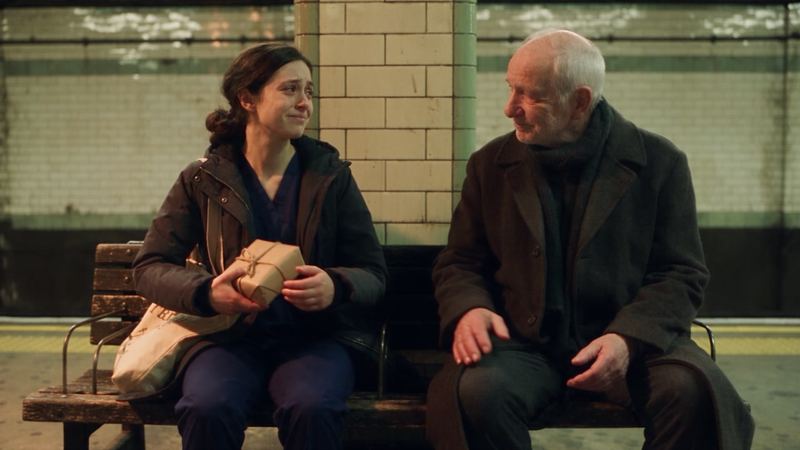
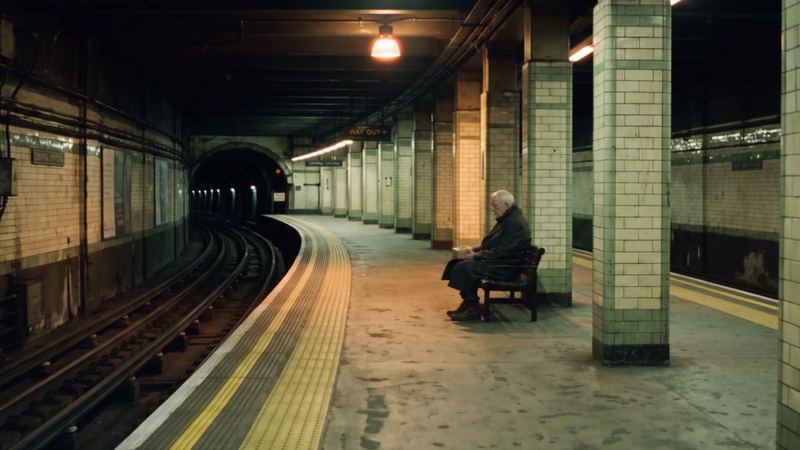
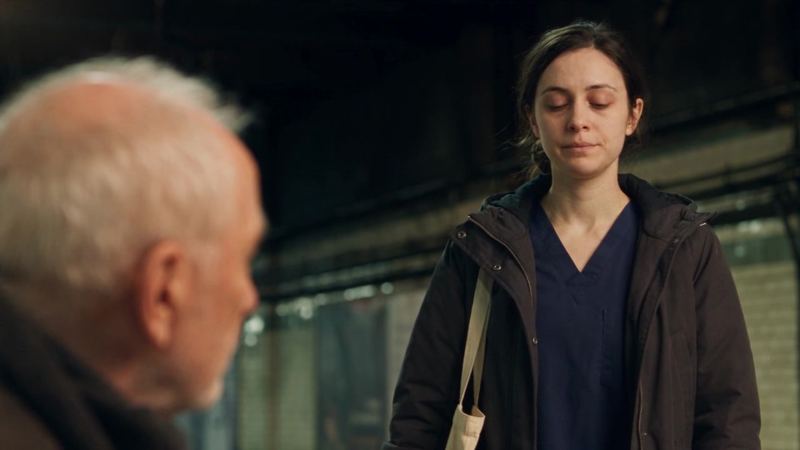
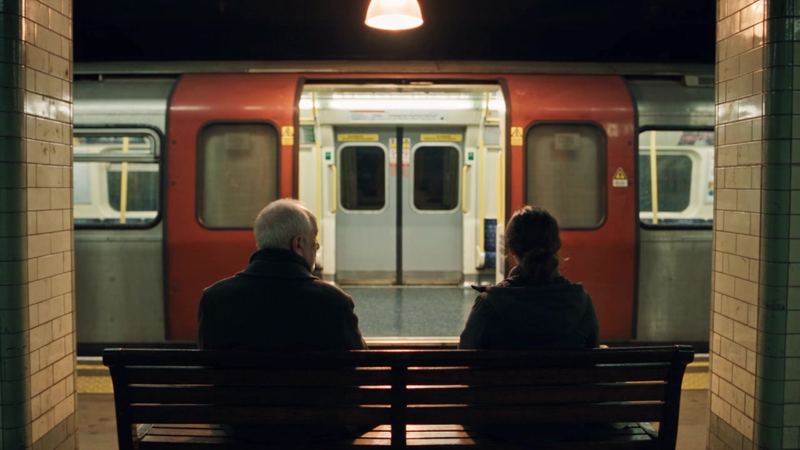
How it works
Drop in your chapter
Tell Domi about the book and drop in the chapter, the script or the diary page. Asking her is free. She takes your words and files into Video Studio.
Adapt it together
She turns the prose into a script in your voice, breaks it into a storyboard and casts each character once. Change anything you like before filming.
Approve each shot
Nothing is filmed until you approve it. Ask for changes one shot at a time. Every version is kept, so you can go back to any of them.
What you can turn into a film
You don't need to have made a film before. It starts from writing you already have:
- A chapter or a single scene from your book is enough. Domi adapts it into a script with you.
- A script you have written goes straight to the storyboard.
- A diary, a letter or a page of memoir holds one real moment, and one moment can carry a short film.
- Photos or footage bring the story's world with them, like the street it happens on or an object that matters.
Video Studio films in many styles, from cinematic drama to animation drawn by hand, stop motion and 3D animation. If you already see your book a certain way, say so in your first message.
Choose one scene for your first AI film
A whole novel is a big project. One scene is a film you can finish, judge and build on. Look for a scene with these five things:
- A clear want drives it. Someone wants something, and gets it, loses it or pays for it.
- Few people are in it. Two or three characters are easier to follow on screen than a page full of names.
- A place you can picture can be shown. If you can describe the room or the train car, the camera can find it.
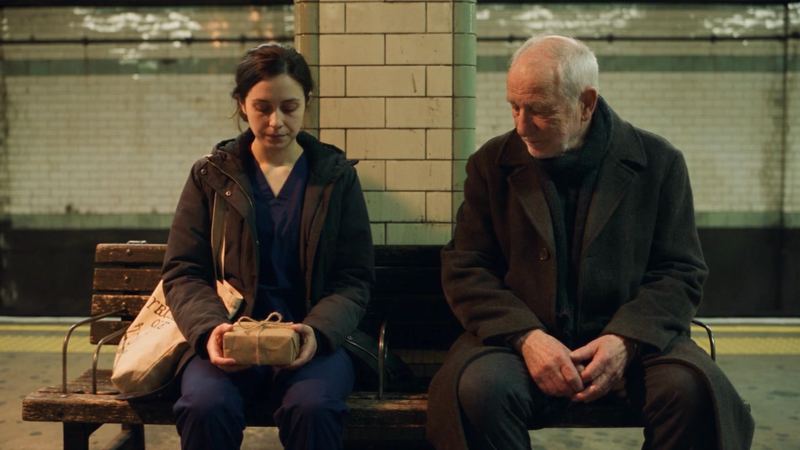
- Something to see carries the scene, like a gesture, a gift changing hands or a light going out.
- The scene stands alone for a viewer who has never read the book.
If a chapter has three strong scenes, start with the one you would read aloud at a launch. Film the next one later, in the same project.
From prose to script, in your voice
Prose can say what a character remembers, fears or wants. On screen, the audience sees and hears only what happens. Adapting means turning the inside of the story into something you can see.
- Thought becomes action. “She wished she had never come” becomes her reaching for her coat, then sitting back down.
- Description shrinks to the two or three things in the room that matter to the story.
- Dialogue gets shorter. Keep the lines that turn the scene, and let a look carry what a paragraph explained.
- Time gets simpler. Each flashback needs a clear signal, and in a short film fewer is clearer.
Tell Domi the tone, the pace and the period the film should have, and which lines must stay word for word. Read the script she writes with you and ask for changes until it sounds like your book. An adaptation is a set of choices, and they stay yours.
Approve the storyboard before anything is filmed
A storyboard is the film laid out shot by shot before any of it is made. It shows what the camera sees, who is in the frame and what happens. Domi breaks your script into one.
Approving it first saves credits. Filming a shot is a generation, and every generation uses credits. A shot you fix in the storyboard is never filmed the wrong way, and you see a generation's estimated credit cost before it runs.
Read the storyboard the way a stranger to your book would, and check four things:
- Each shot shows one thing clearly.
- The order of events makes sense without the chapters around it.
- The moment that matters most has its own shot, close enough to see a face.
- Nothing important is still only in your head.
If one shot is wrong, say what is wrong with that shot. You change it without starting over.
The same characters in every shot
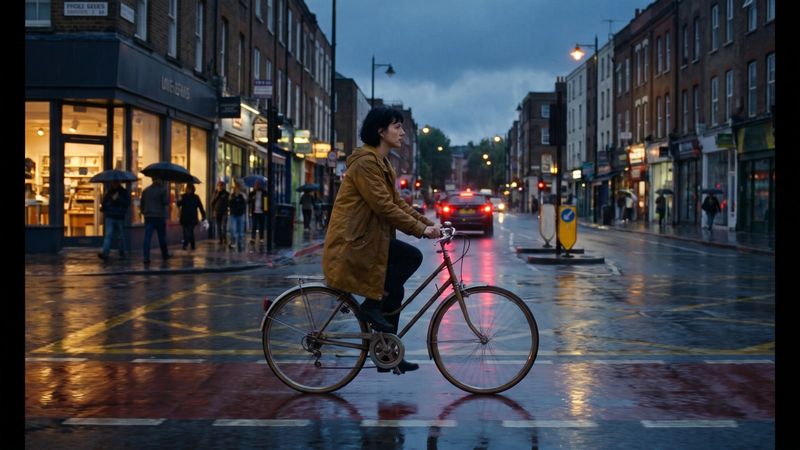
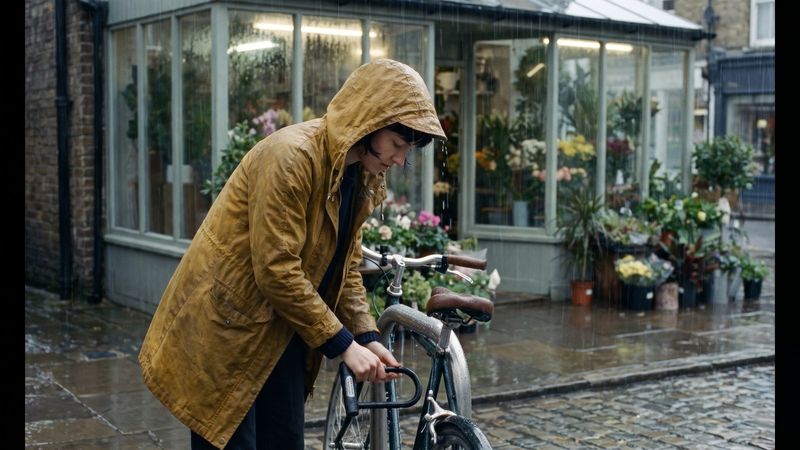
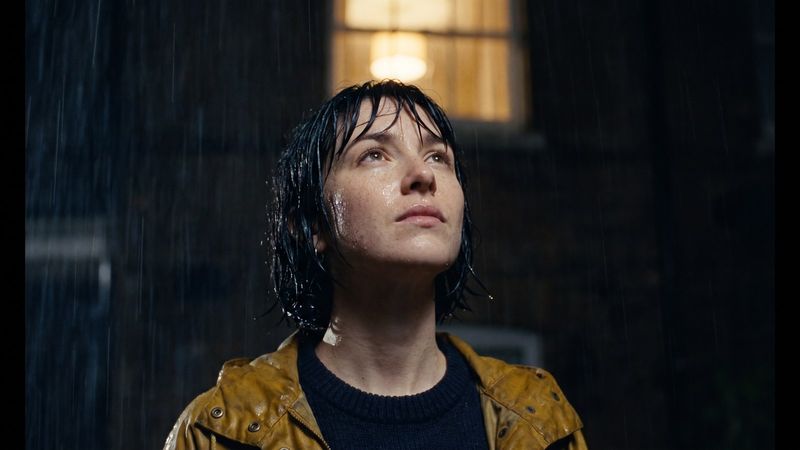
Domi casts each character once, with a face, clothes and a look, and holds that cast across every shot and scene. The strip below follows one woman in a mustard raincoat through five storyboard keyframes, from a rainy crossing to a door opening.
Your book may never have said what someone looks like. A film has to. Before casting, write a few lines for each character:
- Age, build and hair go in one line.
- Clothes are the ones they wear in this part of the story.
- One detail makes them easy to remember, like a scarf, a scar or a way of standing.
If a character changes clothes or grows older in the story, write it into the script. Then the change is a choice and not a slip.
A diary can be a film too
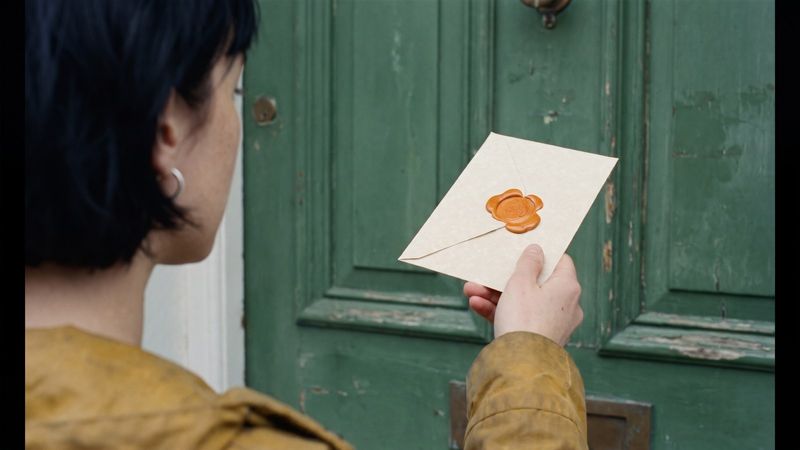
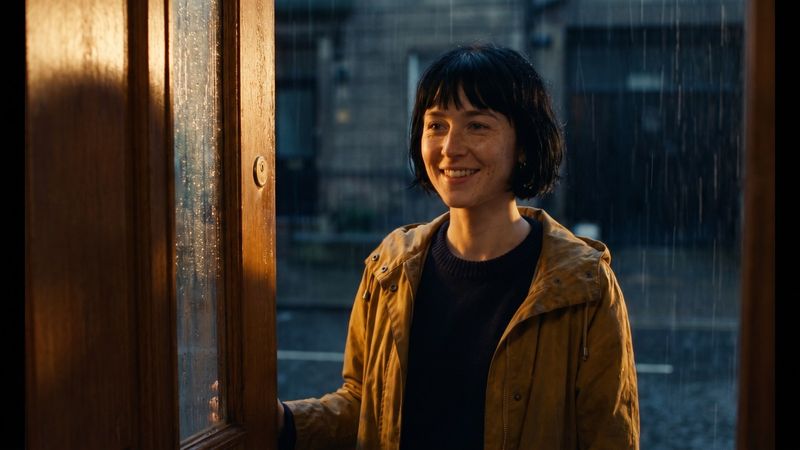
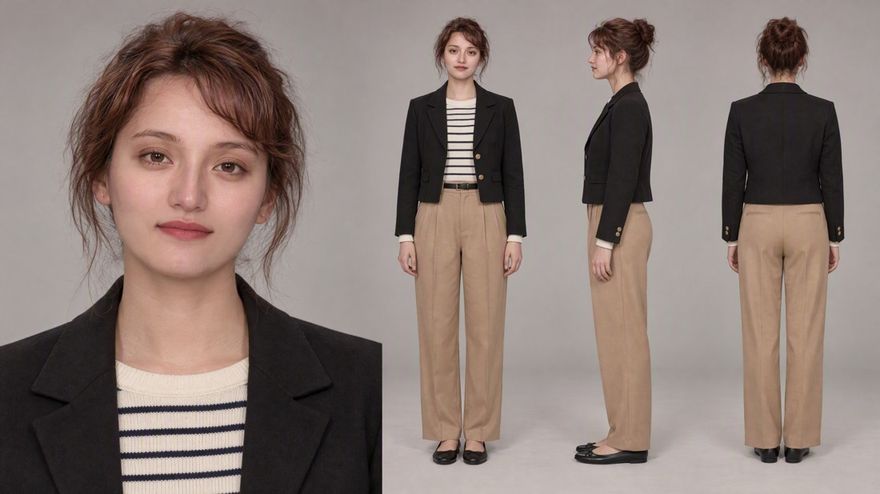
La Chambre de Pauline began as one diary page, titled My year in Paris. Domi wrote the script from it in French and cast its lead, Yuna. Below are the page, the script, Yuna's character sheet and three filmed shots of a rainy street, a door and a room.
A diary already has the shape of a short film, with one voice, one place and one stretch of time. Domi answers in the language you write in, and DDream's screens come in English, Chinese, French and Japanese.
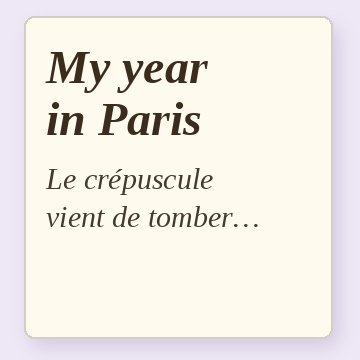
Yuna, 20 ans, veste noire et marinière, passe devant une boulangerie illuminée. Elle s'arrête devant une porte.
Rights to adapt a book into a film
A film of a book is what US copyright law calls a derivative work, and the law's own examples include a “motion picture version.” Only the copyright owner, or someone they authorize, can make one (17 U.S.C. § 101, § 106).
- A book you published yourself usually leaves the film rights with you. Check anything you signed with a coauthor, an illustrator or a distributor.
- A book with a publisher means reading your contract for film, television or dramatic rights. You may have kept them or licensed them to someone else.
- Someone else's book needs permission in writing from whoever holds the film rights, usually the author or the publisher.
- Books in the public domain in the US are those published in 1930 or earlier. Works from 1930, among them The Maltese Falcon and As I Lay Dying, entered it on January 1, 2026 (Duke Center for the Study of the Public Domain). A newer translation or edition can still be protected, and other countries have other rules.
This is general information, not legal advice. Check the rights before you share the film.
Adapting with a writing partner or a producer
Invite them to the project by email. Everyone in it can open and continue each other's sessions with Domi and leave notes drawn on a shot, which go to whoever made it. When the film is ready, deliver it with one link. Whoever opens it can watch, download and comment, and the comments come back to you.
Questions
Can AI turn my book into a movie?
DDream can turn a chapter or a scene of your book into a short film, and you approve every shot before it is filmed. Domi, DDream's AI creative director, adapts the text into a script and a storyboard with you, casts the characters once and films the shots in Video Studio. Start with one scene rather than the whole book.
Can AI make a movie from a script?
AI can make a short film from a script, and in DDream you approve each shot before it is filmed. Domi breaks your script into a storyboard, casts the characters once and films the approved shots with the same faces and clothes throughout.
How do I turn my book into a film?
To turn a book into a film, choose one scene, adapt it into a script, break the script into a storyboard and film it shot by shot. In DDream you tell Domi about the book, drop in the chapter and work through each step with her in Video Studio.
Will my characters look the same in every shot?
In DDream, each character keeps the same face, clothes and look in every shot, because Domi casts them once and holds that cast across scenes. You see each shot before it is filmed, so you can fix one that drifts.
Do I need the rights to adapt a book into a film?
You need the film rights to a book, or permission from whoever holds them, before you adapt it into a film. If it is your own book, check your publishing contract and anything else you signed. In the US, books published in 1930 or earlier are in the public domain. This is general information, not legal advice.
How much does it cost to turn a book into a film with AI?
DDream is free to start, with free credits every month. No credit card needed. Asking Domi is free, and in Video Studio her replies and every generation use credits. Creator is $14.99 a month for 1,600 credits, and every plan is on Plans and prices.
Sources
Never made an ad or a film? Now you can.
What are we making?
Free to start, with free credits every month.