

Video Studio · short dramas
Short dramas and micro dramas
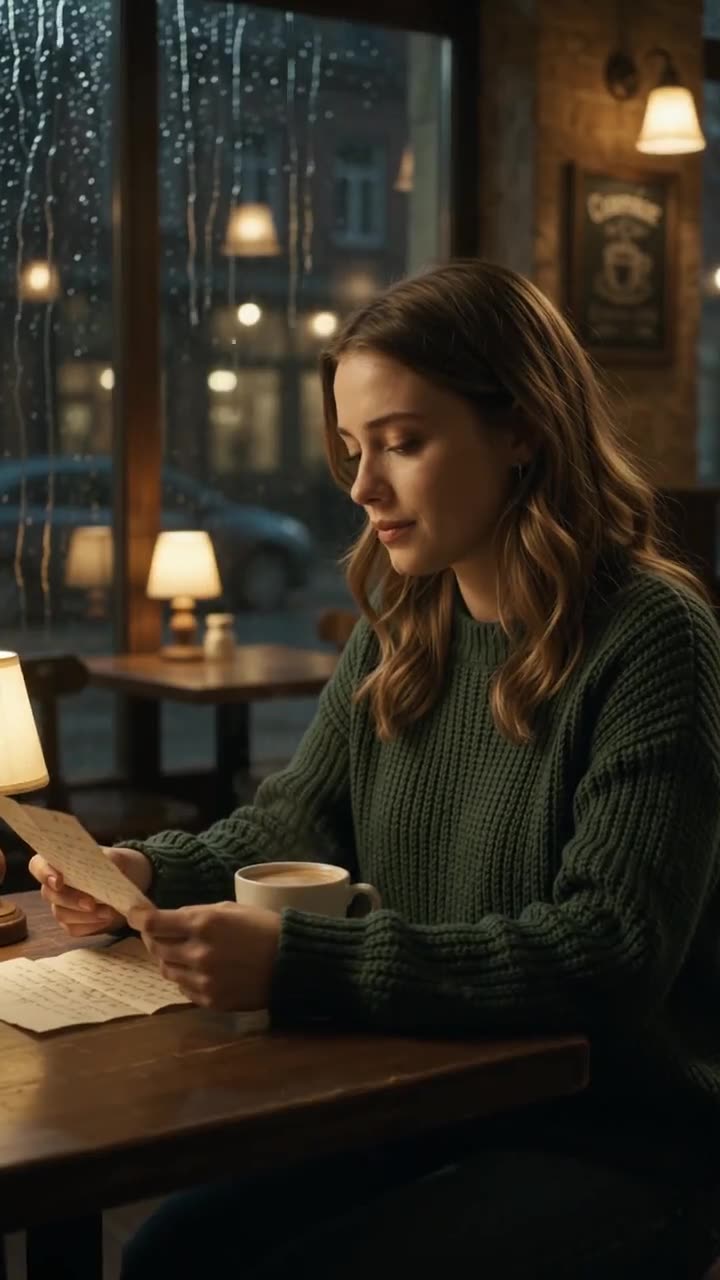
Make an AI micro drama series with vertical episodes, a hook at the end of each and faces viewers come back for. Domi, DDream's AI creative director, writes and storyboards each episode with you and casts every character once for the whole series.
How it works
Pitch the series
Tell Domi the logline, how many episodes and where they will be watched, or drop in your outline. Asking her is free.
Write and cast once
She writes the episodes with you, storyboards each one for the screen it will play on, and casts every character once for the whole series.
Approve, then the next episode
Each shot is filmed once you approve it. Every episode and every version stays in one project, ready for the next.
What a micro drama is
Micro dramas, also called short dramas or vertical dramas, are scripted series made to be watched on a phone. Wikipedia's overview of the format describes episodes that typically run one to two minutes and series of 20 to 100 episodes. Many are filmed vertically in a 9:16 frame, and nearly every episode ends on a cliffhanger. Apps such as ReelShort and DramaBox are built around them.
A short drama can also be one short film or a handful of longer episodes. The craft below works for all of them.
Plan the whole series on one page
Write a series outline before episode one. It keeps every episode pulling the same way, and it gives Domi what she needs to write with you:
- The logline says in one sentence who wants what, and what stands in the way.
- The central question, such as whether she gets the house back or who sent the letter, is answered in the final episode.
- Each character gets a line on what they want, what they hide and how they look.
- The turns mark where the story changes direction, so the middle of the series doesn't sag.
- The episode count is set up front, because a plan for 30 episodes is written differently from a plan for 8.
Whatever the genre, from revenge and romance to a family secret or a rivalry at work, give viewers stakes they can feel in the first seconds of episode one.
Write each micro drama episode around its hook
An episode this short has no room for a slow start. Give each one this shape:
- The opening starts in the middle of a moment, like an argument, a discovery or a door opening.
- One turn changes something. A lie comes out, a stranger arrives, a decision is made.
- The last shot shows a reveal or a threat and stops before the answer.
Write the last shot first. Everything before it is there to get the viewer to it.
Keep each scene to two or three people. With more, faces get too small to follow on a phone.
Frame a vertical short drama for the phone
If the series is for phones, plan it vertical from the start instead of cropping a wide picture later. A tall frame changes every shot:
- Faces carry a vertical drama, so favor close and medium shots. Wide shots make people tiny.
- One subject per frame reads clearly. Two people side by side barely fit, so place one behind the other or cut between them.
- Height shows power. A staircase, a doorway or someone standing over someone seated all use the tall frame.
- The edges may sit under an app's buttons and captions, so keep faces and key action toward the middle.
The same cast in every episode
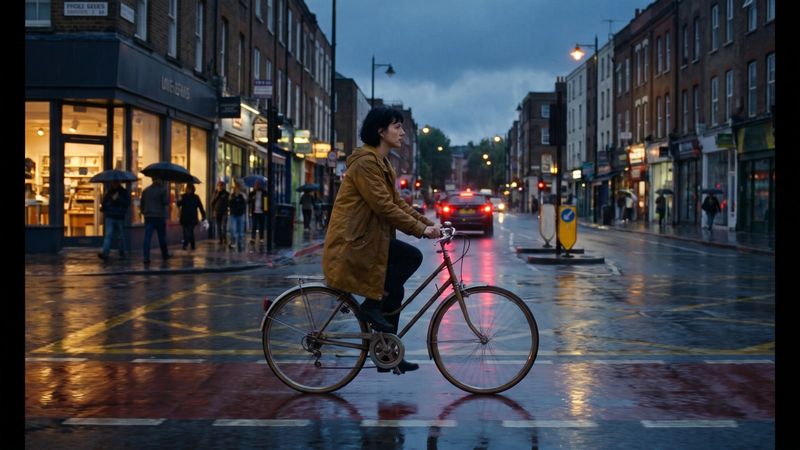
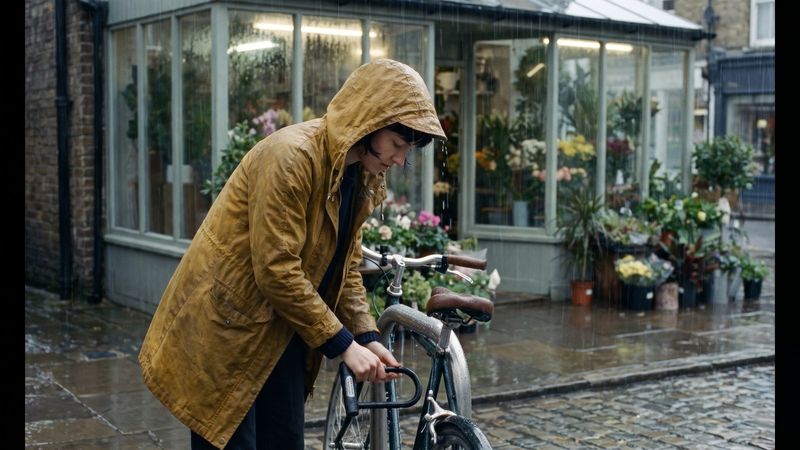
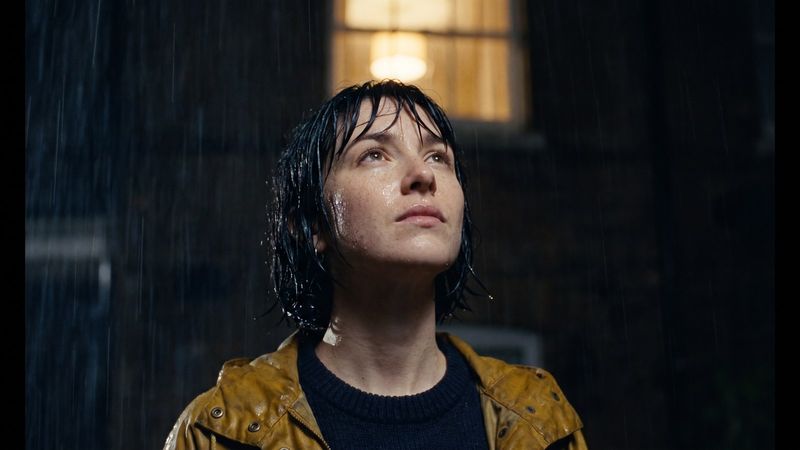
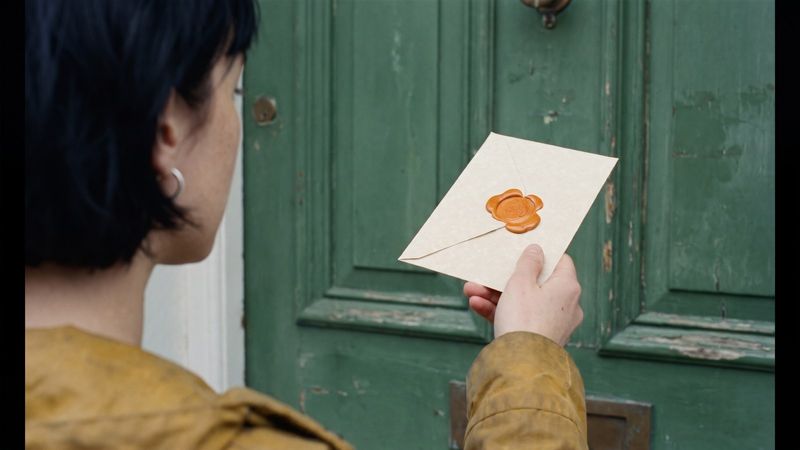
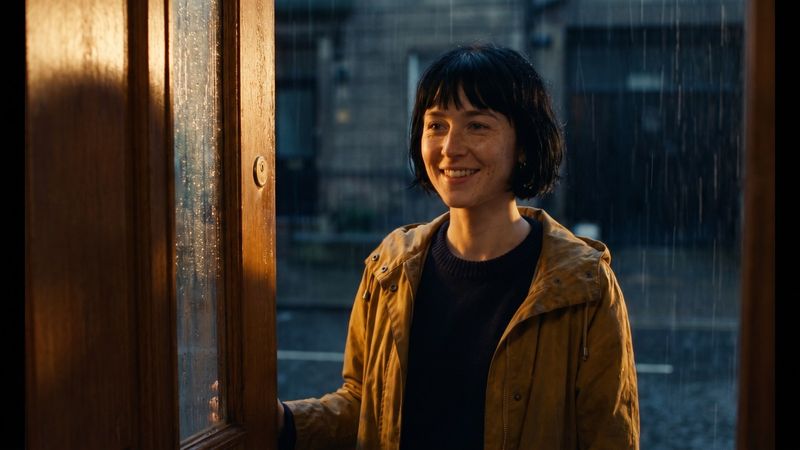
A series lives on its faces. Viewers come back for a character, and they notice when she looks different. Domi casts each character once and holds that face, those clothes and that look across every shot and scene. The strip below follows one woman in a mustard raincoat through five storyboard keyframes.
Give each recurring character a short sheet before casting:
- Age, build and hair come first, with one feature people remember.
- Clothes go on the sheet, with the episodes where the story changes them.
- One object or color belongs to them and travels with them.
If a look changes on purpose, for a disguise, a wedding or years passing, write it into the script. Then the change is a choice and not a slip.
Approve the storyboard, then film
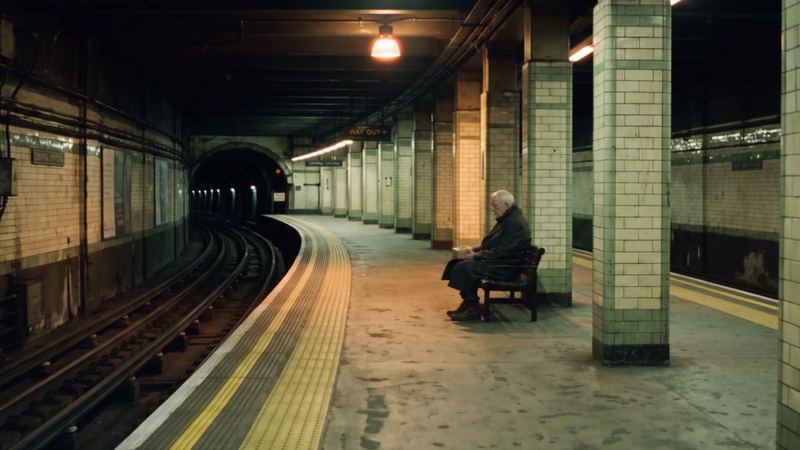
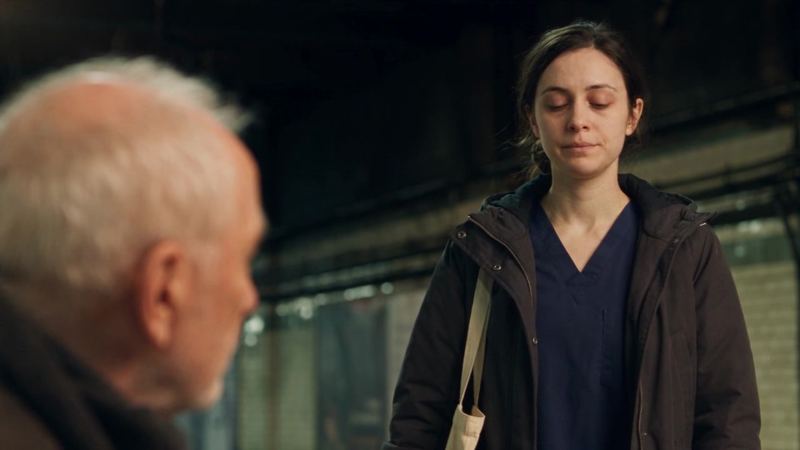
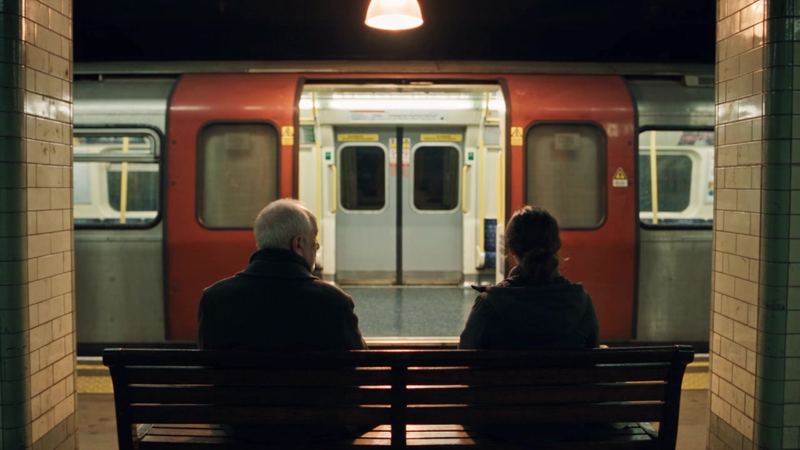
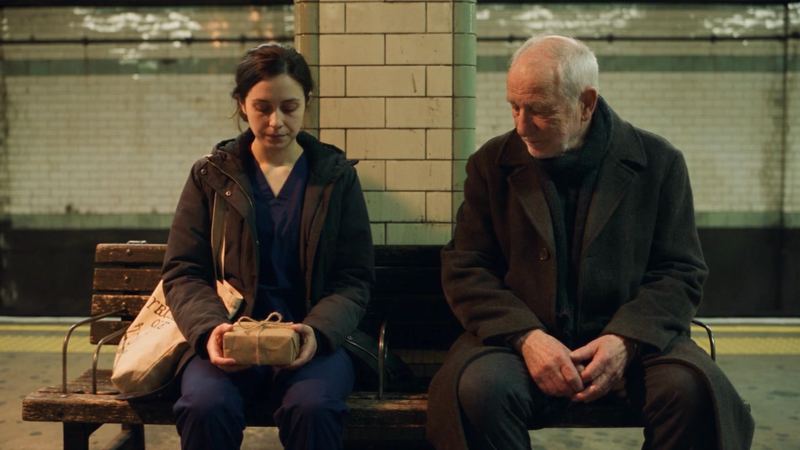
Each episode is broken into a storyboard, the episode laid out shot by shot. You approve every shot before it is filmed and can change any one of them on its own. The Last Train, below, shows storyboard frames and the shots filmed from them.
Across a series this matters more than in a single film. Filming a shot is a generation, and every generation uses credits. A weak hook caught in the storyboard is a line you rewrite. Caught after filming, it is a shot you film again. You see a generation's estimated credit cost before it runs.
Any genre, any style
A short drama doesn't have to look like live action. Video Studio also films animation drawn by hand, stop motion and 3D animation. An animated series can go places live action can't, and stop motion can make a small story feel handmade. Pick the style before the first storyboard and keep it for the whole series.
You can bring your own material too, such as a script, a story outline, a book chapter, photos or footage.
Making a short drama series with your team
Invite your writers and producers to the project by email. A writer can open the session behind an episode, see how it was planned and continue from there. Notes are drawn on the shot and go to whoever made it. When episodes are ready, deliver them to a client with one link.
Questions
Can AI make a micro drama?
DDream can make a micro drama with you, from the series outline to filmed episodes. Domi, DDream's AI creative director, writes the series with you, storyboards each episode and films the shots you approve in Video Studio, with each character keeping the same face, clothes and look.
How long is a micro drama episode?
Micro drama episodes typically run one to two minutes, and a series may have 20 to 100 of them, according to Wikipedia's overview of the format. Plan each episode around one turn and an ending that makes the viewer want the next.
Should a micro drama be vertical?
Many micro dramas are filmed vertically, in a 9:16 frame, for watching on a phone. If yours is for phones, plan it vertical from the first storyboard instead of cropping later, with big faces, one subject per frame and key action away from the edges.
How do I keep characters consistent across a short drama?
In DDream, Domi casts each character once and holds the same face, clothes and look across every shot and episode. Write a short sheet for each recurring character, put planned changes such as a disguise into the script, and check each shot before you approve it.
Can I bring my own script for a short drama?
You can bring your own script, outline, book chapter, photos or footage to DDream for a short drama. Domi adapts it with you, breaks each episode into a storyboard and films the shots you approve.
How much does it cost to make an AI micro drama?
DDream is free to start, with free credits every month. No credit card needed. Asking Domi is free, and in Video Studio her replies and every generation use credits, so a series costs more the more shots it has. Creator is $14.99 a month for 1,600 credits, and every plan is on Plans and prices.
Sources
Never made an ad or a film? Now you can.
What are we making?
Free to start, with free credits every month.