



Split one project across your team
Each person takes a piece. It comes back as one launch.


For creative teams, marketing teams and agencies
Creative teams, marketing teams and agencies make product photos, ads and films with Domi, DDream's AI creative director, in one shared project. What you already do, faster, better, cheaper.
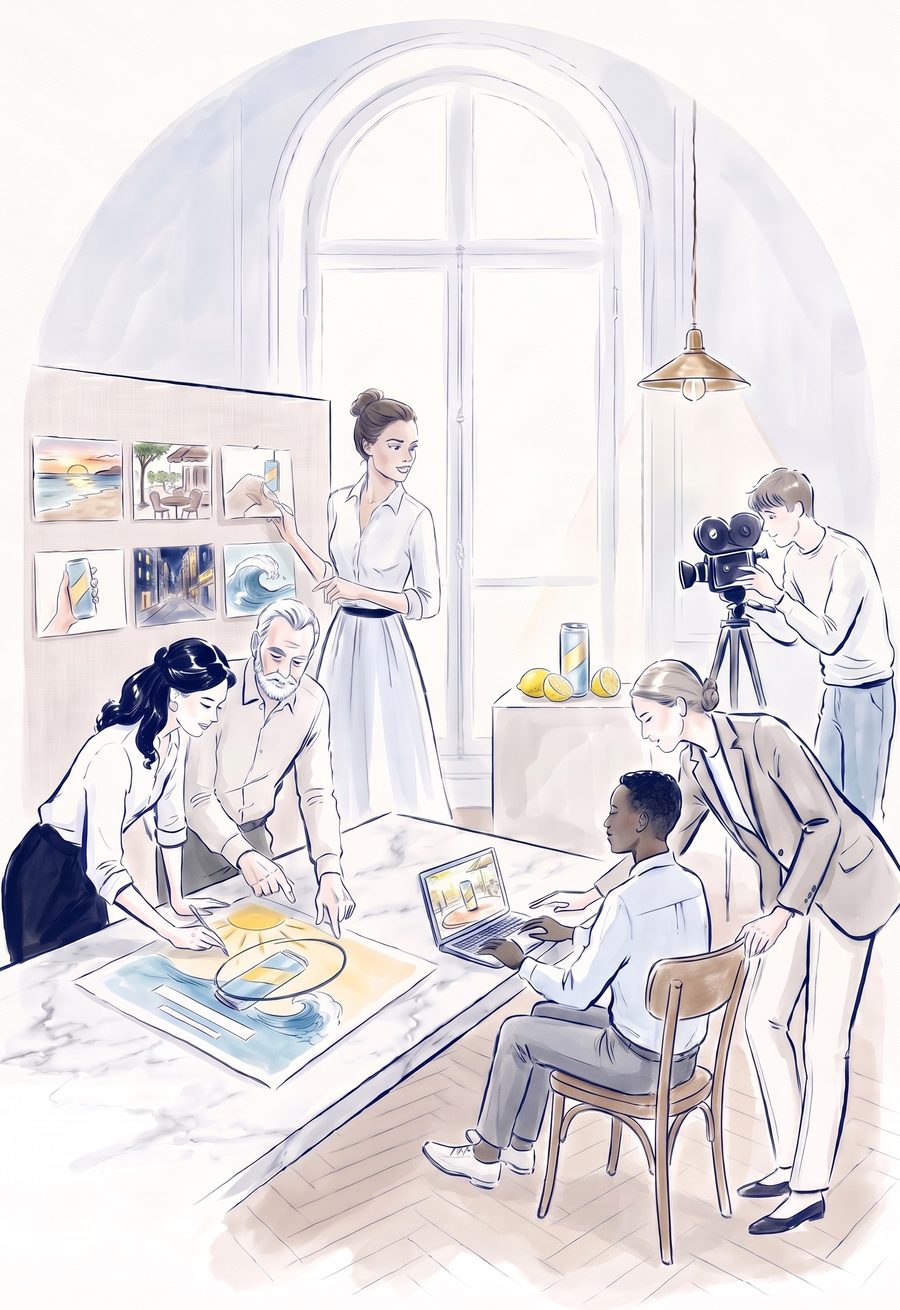
Each person takes a piece. It comes back as one launch.
See what they made with Domi. Continue from any point.
Everything in one place, with what each piece was made from.
Notes land on the work. Your client's comments come back to you.
Buy credits once. Give each project its own budget.
Write the brief once and invite people by email. Everyone in the project works from that brief and one library.
From the brief, Domi drafts the pieces of the launch. Each person takes one and makes it with her in the studio built for it.
Notes drawn on the work go to whoever made it. Approve, then send your client one link. Their comments come back to you.
Start with the brief you would write anyway, saying what you're launching, who it's for and where it will run. Put it in a project, and Domi drafts the pieces from it.
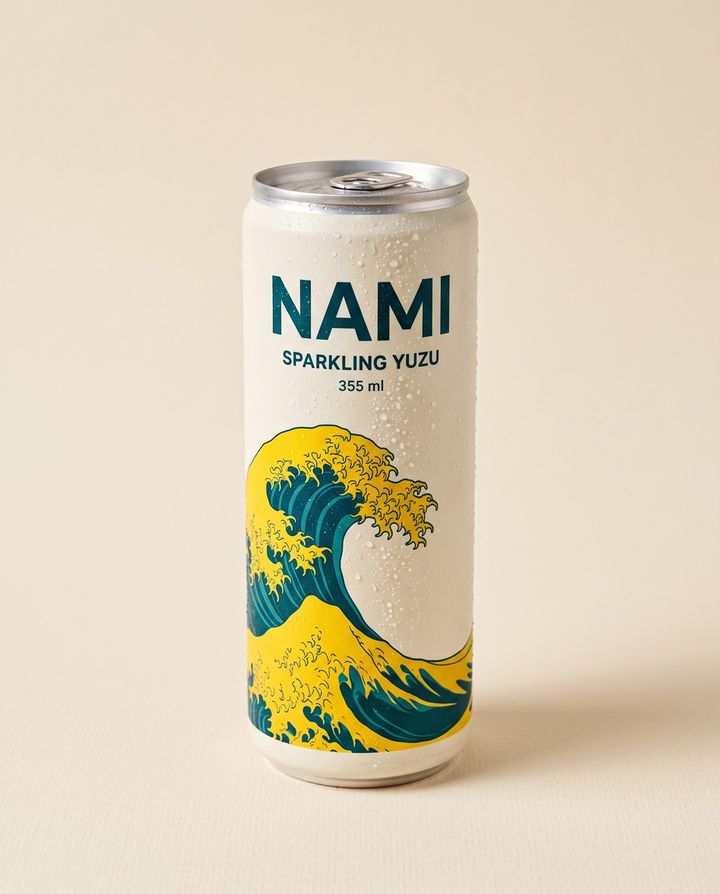
Each person takes a piece and makes it with Domi. Product photos are made in Image Studio, the video ad in Video Studio, posters and the pitch deck in Design Lab. Everyone works from the same brief, so the pieces come back as one launch instead of four jobs to match up at the end.
A spring launch, split four ways:
Domi drafts the pieces. Your team decides who takes each one.
A session is one conversation with Domi and everything made in it. Everyone in a project can open each other's sessions, from the first message on.
When a piece changes hands, nobody has to explain where things stand. The next person reads what was asked, what was tried and what was chosen, then continues from any point as their own session.
That is how a project gets through a day off, a reassignment or a new hire. A creative lead can also see why a piece looks the way it does before asking for a change.
Everything the project keeps lands in one library that everyone in it shares, with every version and what each piece was made from. Open a poster and you see the product photo it came from.
When a newer version arrives, whoever built on the old one hears about it. If the product photo gets a corrected label, the person who made a poster from the old photo is told and decides what to update.
No folders of almost identical finals, and no asking around for the latest one.
Send a piece for review and the notes go on the work itself. Circle the logo, mark the headline, sketch where the product should sit. One drawn note says what a paragraph of email struggles to.
Each note goes to whoever made the piece, so feedback reaches the right person without anyone forwarding it. When the piece is right, approve it.
Once the work is approved, send your client one link. They can view it, download it and comment on it, and their comments come back to your team.
For agencies, that link replaces the zip file, the shared folder and the long feedback thread.
A team has one wallet. An admin buys credits with a card, or members move credits they bought into it.
Each project has a payer, either its owner or a team, and can have its own budget. A team can also set a monthly limit for each member. Nobody picks a wallet for each action, because the project already knows who pays.
Every studio shows a generation's estimated credits before it runs. If a budget runs out, people ask whoever decides for more, right from where they are working.
| Question | In a DDream project |
|---|---|
| Who buys credits? | An admin with a card, or members who move credits they bought into the team's wallet |
| Who pays for a project? | Its payer, the project's owner or a team |
| How is spending capped? | A budget for the project, and a monthly limit for each member |
| What will a generation cost? | Each studio shows the estimated credits before it runs |
| What if the budget runs out? | Ask whoever decides for more, from where you are |
Plan prices and extra credits are on plans and prices.
Much of a launch's time goes to the steps between the making. This is how each of them looks in one DDream project.
| Step | The usual way | In a DDream project |
|---|---|---|
| The brief | A doc, an email and a chat thread | One brief in the project, and Domi drafts the pieces from it |
| Handoffs | A call to explain where things stand | Open your teammate's session and continue from any point |
| Files | Folders of almost identical finals | One library with every version and what each piece was made from |
| Changes upstream | Someone notices too late | Whoever built on the old version is told |
| Feedback | Screenshots and long emails | Notes drawn on the work, sent to whoever made it |
| The client | A zip file and a separate thread | One link to view, download and comment, with comments coming back to the team |
| Spending | Personal cards and expense reports | One wallet, a budget per project and a monthly limit per member |
DDream's screens are in English, Chinese, French and Japanese, and Domi answers in the language each person writes in, so a team spread across countries can share one project.
DDream is built for the people with the idea. Domi does the making. What gets made, what changes, what gets approved and what goes to the client stays with your team.
Teams work together in DDream through shared projects, with people invited by email. Everyone in a project shares the brief and one library with every version, can open and continue each other's sessions, sends work for review with notes drawn on it, and delivers to clients through one link. A team can pay from one shared wallet, with a budget for each project.
A marketing team can make a whole launch in one DDream project, with product photos, a video ad, posters and a pitch deck from one brief. Domi drafts the pieces, and each person takes one in Image Studio, Video Studio or Design Lab.
Agencies deliver work in DDream through one link the client can view, download and comment on. The client's comments come back to the team, and each client's project can have its own budget.
Anyone in a DDream project can open a teammate's session and continue it as their own, from any point. You see the whole conversation with Domi and the work made in it, so nobody has to explain where things stand.
A team pays for DDream from one shared wallet. An admin buys credits with a card, or members move credits they bought into it. Each project has a payer and can have a budget, and a team can set a monthly limit for each member. Plans and prices
When a DDream project's budget runs out, people can ask whoever decides for more, right from where they are working. Every studio shows a generation's estimated credits before it runs, so nobody is surprised by what it takes from the budget.
Never made an ad or a film? Now you can.
Free to start, with free credits every month.
 Three takes with the sun lower and longer shadows.



 v3
 v1
 v4
 v2
 v1
 1