

Video Studio · AI storyboard
Storyboard to film
An AI storyboard lays out your film shot by shot, and on DDream the same storyboard is what gets filmed. Domi, DDream's AI creative director, builds it with you from a script or a single sentence, then films each shot you approve.
How it works
Bring a script or a sentence
Drop in a script or a chapter, or tell Domi the idea in one sentence. She asks only what changes the plan and takes it into Video Studio.
Shape the frames together
She breaks the story into frames, one per shot, and casts each character once. Move, add or cut shots until the film reads right.
Film what you approve
Approve a frame and it is filmed with the same cast. Until then it is only a plan, so changing it never wastes a filmed shot.
What a storyboard is
A storyboard is a film told in still frames, one per shot, in order. Each frame shows what the camera sees, who is in it, what happens and how it leads to the next shot. It exists because changing a frame is quicker than shooting a scene twice.
A small set of shot sizes covers most storyboards, and knowing them makes it easier to say what you want.
| Shot | What it shows | Use it for |
|---|---|---|
| Wide | The whole place, with people small in it | Where we are, or how alone someone is |
| Medium | A person from the waist up | Conversation and ordinary action |
| Close-up | A face or a hand | The moment that matters, or a feeling |
| Insert | An object up close | A detail the story turns on, such as a ticket, a ring or a message |
| Over the shoulder | One person, seen past another | Two people facing each other |
You don't need these words to work with Domi. Describe what you want to see and she turns it into shots. If you know them, you can be precise, as in “make shot 4 a tight shot of her hands.”
Why approving the storyboard first saves credits
Filming a shot is a generation, and every generation uses credits. The storyboard is where mistakes cost the least to fix:
- A shot in the wrong order is a frame you move, not a shot you film twice.
- A missing moment is a frame you add before filming, not a gap you find after.
- A character who looks wrong is fixed once, at casting, before any shot is filmed with them.
You see a generation's estimated credit cost before it runs, so approving a frame means knowing what filming it will use. Domi's replies in the studio use credits too, so planning isn't free. But the shots you would have thrown away are never filmed.
From your script to a storyboard
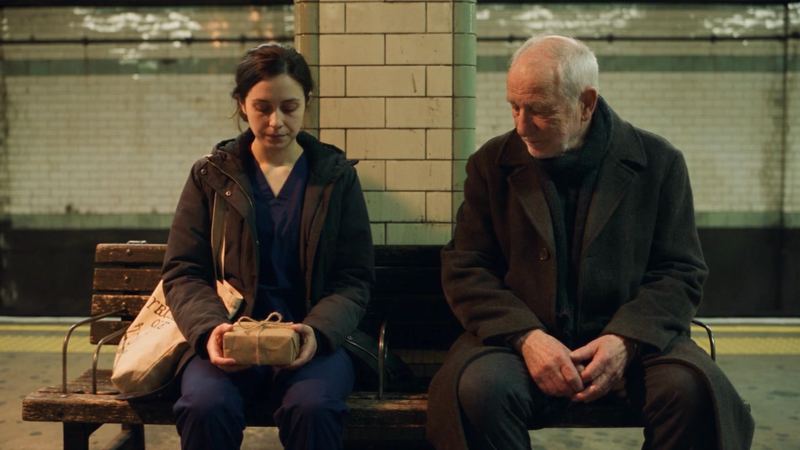
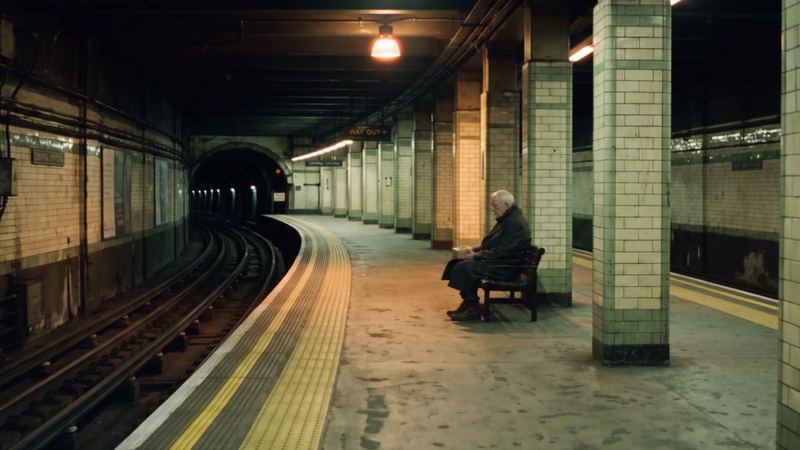
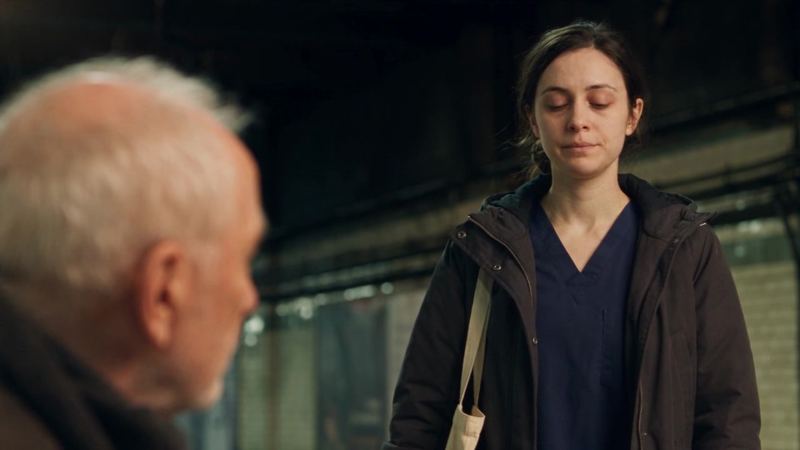
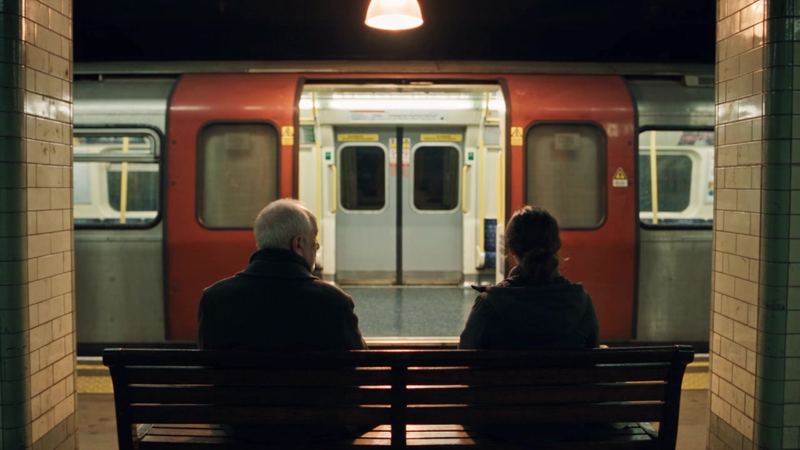
Bring a script, a book chapter, a diary, photos or footage. Or start from one sentence and write the script with Domi first. The Last Train began as a short script about two strangers on a station bench. Domi broke it into a storyboard, and its frames became the filmed shots above.
To get a storyboard close to the one in your head, put these in your first message:
- The purpose comes first, such as a pitch, a gift, a first episode or a teaser for your book.
- The style shapes every frame. Name it, whether cinematic drama, animation drawn by hand, stop motion or 3D animation.
- The mood is easiest to give as two or three films or photographs it should feel like.
- What must stay is the line, the image or the ending you won't give up.
- Each character needs a few lines on age, look and clothes.
How to check a storyboard before you approve it
Read it twice, once as the person who wrote it and once as someone seeing it cold. Then check six things:
- Each frame shows one idea. If it shows two, it may need to be two shots.
- The turn of the scene usually deserves a close shot, not a wide one.
- Screen direction holds. If she walks left to right in one shot, she keeps heading that way in the next unless the story turns her around.
- Eyelines meet. Two people talking look toward each other across the cut.
- Every shot earns its place. If the story still reads without it, cut it, and that is one less shot to film.
- Nothing lives only in your head. If you can't see it in a frame, the viewer won't either.
When something is off, name the shot and the change, as in “Shot 6, wider, so we see the empty station.” You change one shot at a time, without starting over.
One cast across every frame
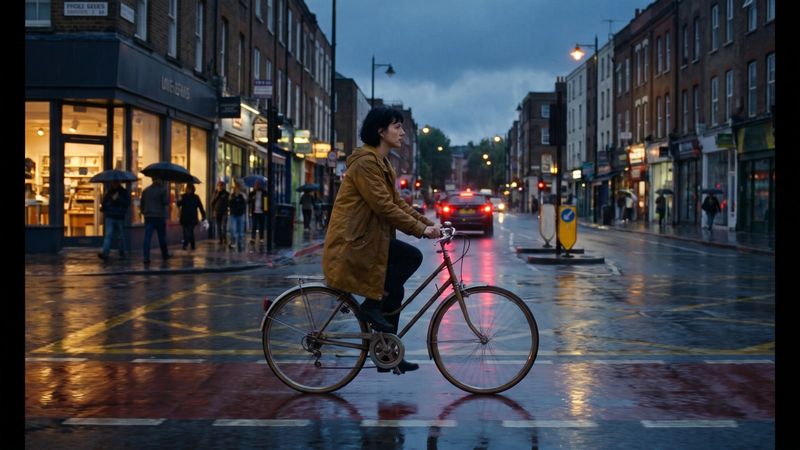
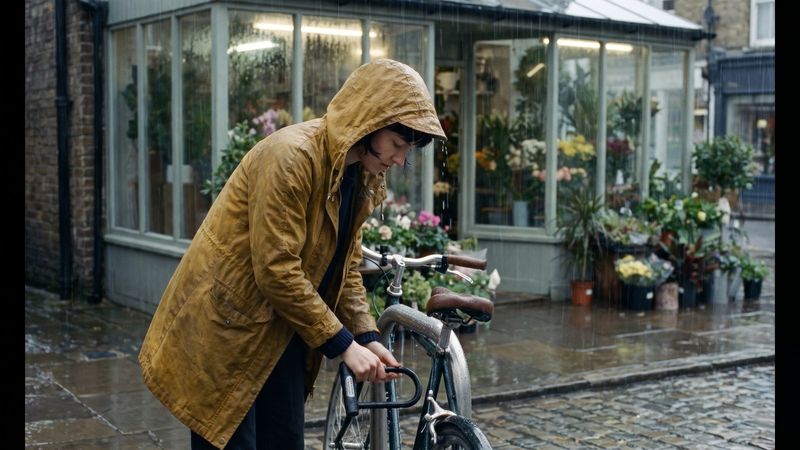
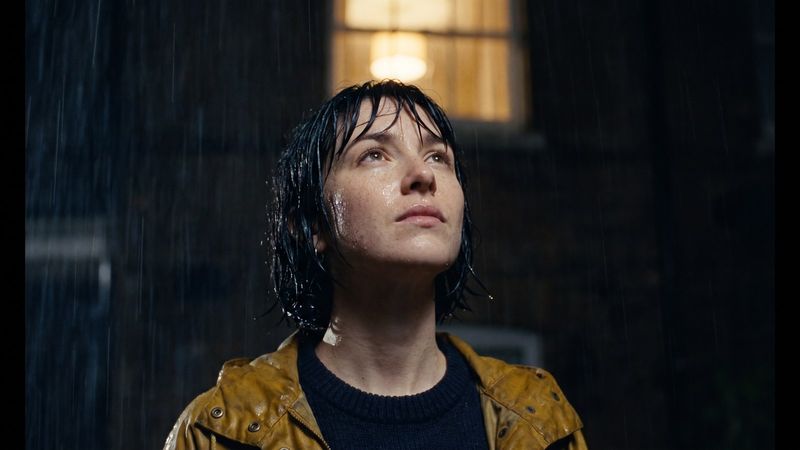
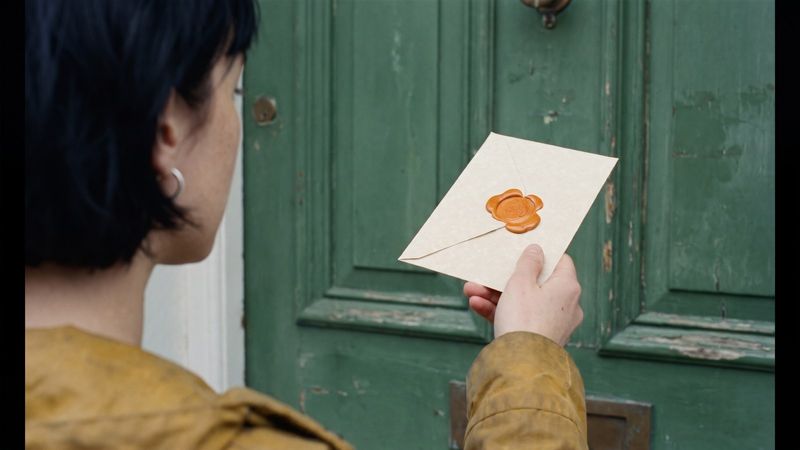
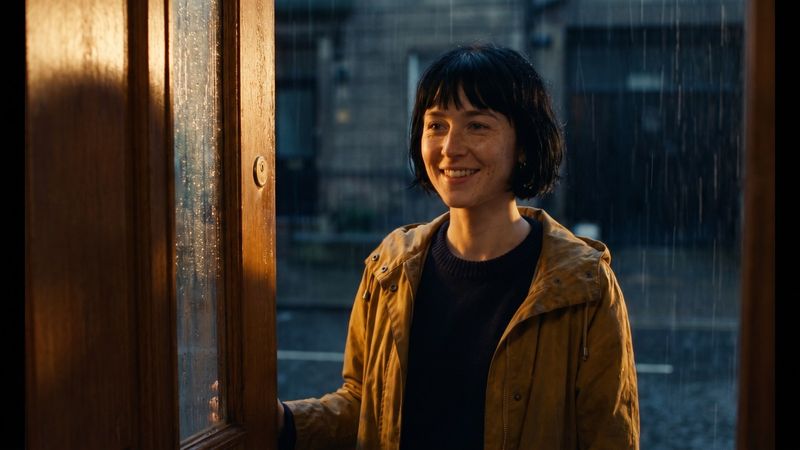
A storyboard is only useful if the film keeps it. Domi casts each character once and holds the same face, clothes and look across every shot and scene, so the woman in frame 1 is the woman in frame 12.
The strip below follows one woman in a mustard raincoat through five keyframes, from a wide shot at a rainy crossing to a door opening on her smile. Because you see each shot before it is filmed, you can catch anything that drifts and fix that one shot.
Any style, the same storyboard
A storyboard works the same way for any style, but choose the style first, because it changes what each shot can do. Animation can put the camera where no camera fits. Stop motion suits fewer, deliberate movements. A cinematic drama rewards real light and real places.
The eight clips below, all made in Video Studio, are a product commercial, a cinematic drama, animation drawn by hand, stop motion, a music video, a documentary, 3D animation and a 1960s fashion film. The same steps apply to short films, short dramas, music videos and video ads.
Storyboarding with your team
Invite the people you plan films with into the project by email. They can open and continue each other's sessions with Domi and leave notes drawn on a frame, which go to whoever made it. Every version is kept, so the storyboard you approved and the one before it are both still there. The finished film goes to a client with one link.
Questions
Can AI make a storyboard from a script?
AI can turn a script into a storyboard, and in DDream that storyboard is then filmed. Domi, DDream's AI creative director, breaks your script into shots, you change any shot before approving it, and the approved shots are filmed in Video Studio with the same cast throughout.
How is DDream different from an AI storyboard generator?
DDream treats the storyboard as the plan a film is shot from, not the end product. You approve each frame, Domi films it with the same cast, and each shot shows its estimated cost before it runs. You can bring a script, or start from an idea and write the script with her.
Do I need a finished script to make a storyboard?
You don't need a finished script to make a storyboard in DDream. Start from a book chapter, a diary, photos, footage or one sentence, and Domi writes the script with you before breaking it into shots.
What should a storyboard include?
A storyboard should show, for every shot, what the camera sees, who is in the frame, what happens and how the shot leads to the next. Add the shot size where it matters, and mark the moment the scene turns.
Will characters look the same in the storyboard and the film?
In DDream, characters keep the same face, clothes and look from the storyboard to the film, because Domi casts each one once and holds that cast across every shot and scene. You see each shot before it is filmed, so one that drifts can be fixed on its own.
How much does an AI storyboard cost with DDream?
DDream is free to start, with free credits every month. No credit card needed. Asking Domi is free, and in Video Studio her replies and every generation use credits. Creator is $14.99 a month for 1,600 credits, and every plan is on Plans and prices.
Never made an ad or a film? Now you can.
What are we making?
Free to start, with free credits every month.