

Video Studio · music videos
A music video for your song
Your song already holds the plan for its AI music video, in its tempo, its sections and the lines that matter most. Domi, DDream's AI creative director, plans the video against the song with you and films the shots you approve, with one cast throughout.
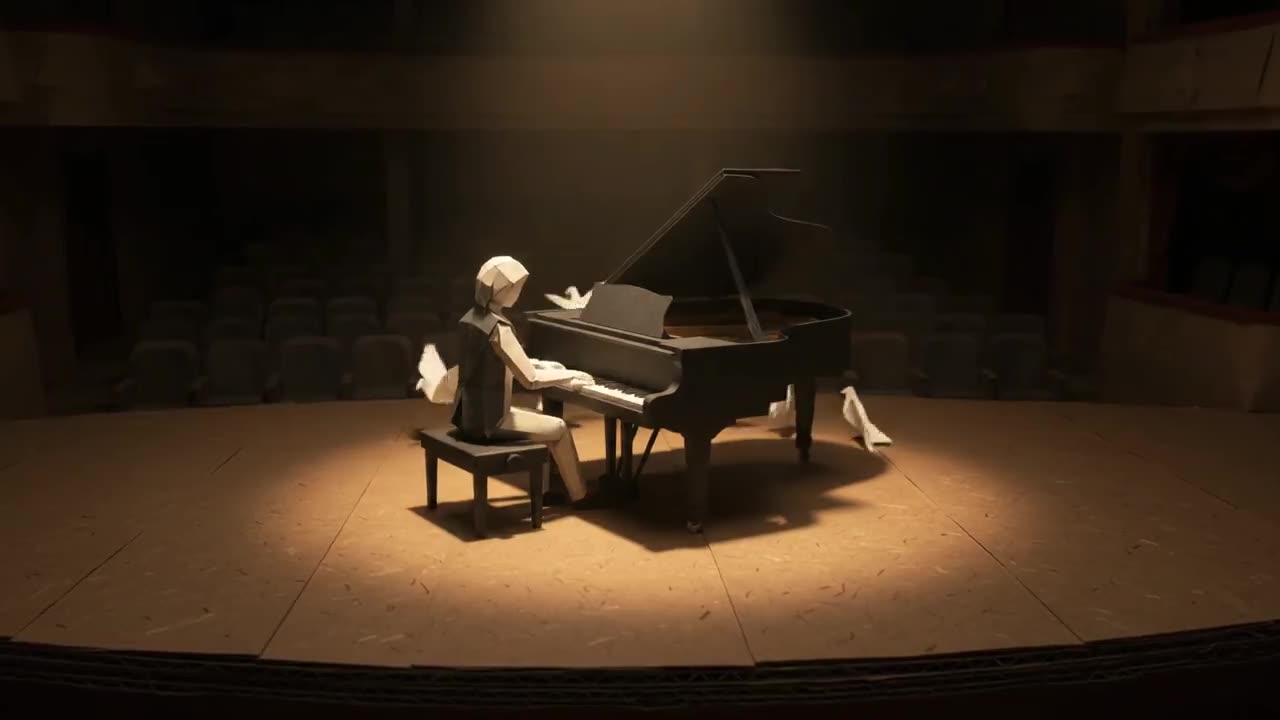
How it works
Bring the song
Tell Domi the title, the tempo and the mood, and paste in the lyrics with the lines that matter marked. Asking her is free.
Plan each section's shots
She works out the idea with you, plans shots for every verse, chorus and bridge, and casts each character once.
Film the approved plan
Change any shot on its own, then approve. Nothing is filmed before you do, and every earlier version stays there to go back to.
Start your AI music video with a map of the song
The plan for a music video starts with the track. Put a map of your song in your first message:
- The tempo in beats per minute (BPM) is shown in your recording software, or you can tap along with any BPM counter.
- The sections come with the time each one starts, from the intro and verses to the chorus, bridge and outro.
- The lyrics come with the lines that matter most marked.
- The feeling of each section fits in a word or two, such as restless, open, cold or euphoric.
Then count in bars, not seconds. In 4/4 time one bar lasts 240 ÷ BPM seconds, so 2 seconds at 120 BPM and about 2.7 seconds at 90 BPM. Shots that start and end on bar lines feel cut to the music.
Here is a map for a song at 120 BPM, with what each section could show.
| Section | Starts | Length | What we see |
|---|---|---|---|
| Intro | 0:00 | 8 bars (16 s) | An empty street before dawn, one window lit |
| Verse 1 | 0:16 | 16 bars (32 s) | She gets ready for a night shift, in small, slow details |
| Chorus | 0:48 | 8 bars (16 s) | The same street, now crowded and full of color, in quicker shots |
| Verse 2 | 1:04 | 16 bars (32 s) | The shift, and one encounter that changes her night |
| Chorus | 1:36 | 8 bars (16 s) | The crowded street again, now with him in it |
| Bridge | 1:52 | 8 bars (16 s) | Stillness. One long shot, nothing moving but her |
| Final chorus | 2:08 | 16 bars (32 s) | Both of them, the street at full color, the fastest cutting |
| Outro | 2:40 | 8 bars (16 s) | The window from the intro goes dark |
With a map like this, the shot plan follows the song instead of a guess.
Performance, narrative or concept music video
Music videos come in three broad kinds, and you can mix them.
| Approach | What it is | Plan it as |
|---|---|---|
| Performance | The artist or band on camera, playing | A few setups seen from several angles, cut through the song |
| Narrative | A story with characters, told across the song | A short film with a beginning, middle and end, timed to the sections |
| Concept | One visual idea, varied and built | A rule, such as one color, one place or one movement, that changes with each section |
One mix that works is story in the verses, performance in the choruses and a turn at the bridge, where the song changes direction. Decide before the shot plan. A narrative needs a cast and a story that resolves. A concept needs a rule strong enough to keep changing without running out.
Cut on the beat, change at the sections
Viewers feel the edit before they notice it. Five rules of thumb for the shot plan:
- Cuts on the downbeat, the first beat of a bar, feel intended.
- Shot length follows the section, with longer, calmer shots in the verses, shorter ones in the choruses and one held shot where the song breathes.
- Every section line brings a change, such as a new place, a new light or a new distance from the face, so the viewer feels the chorus arrive.
- The strongest image waits for the last chorus, so the video peaks where the song does.
- Bars are the unit, not seconds. “Two bars on her face, then the street” is easier to plan with than “4.3 seconds.”
One cast from the first verse to the last chorus
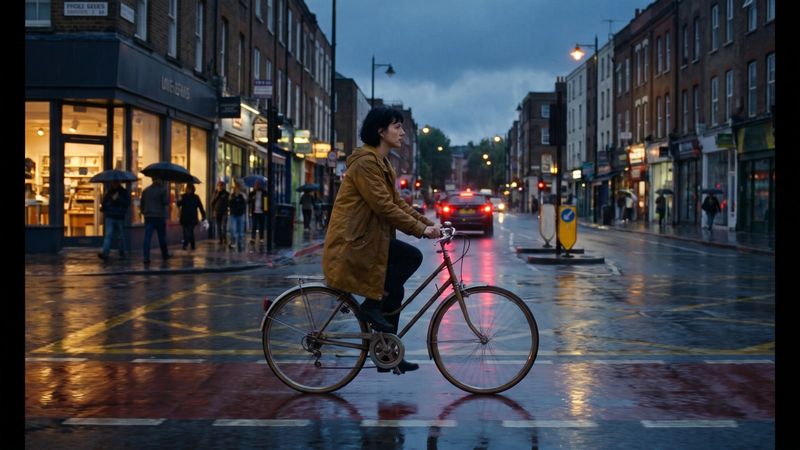
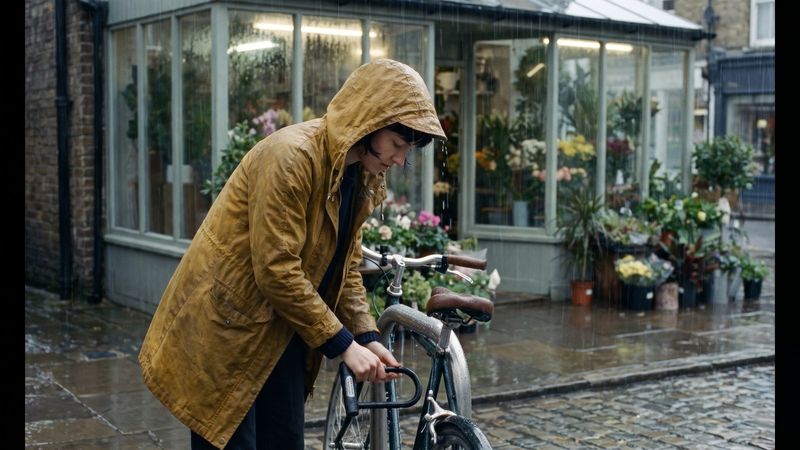
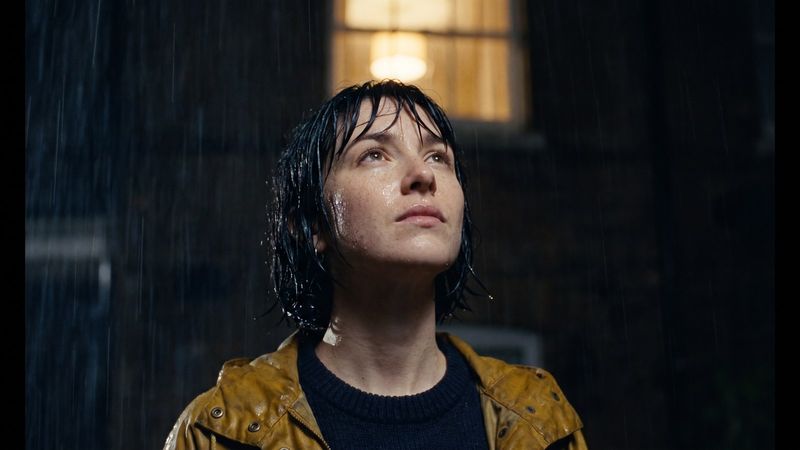
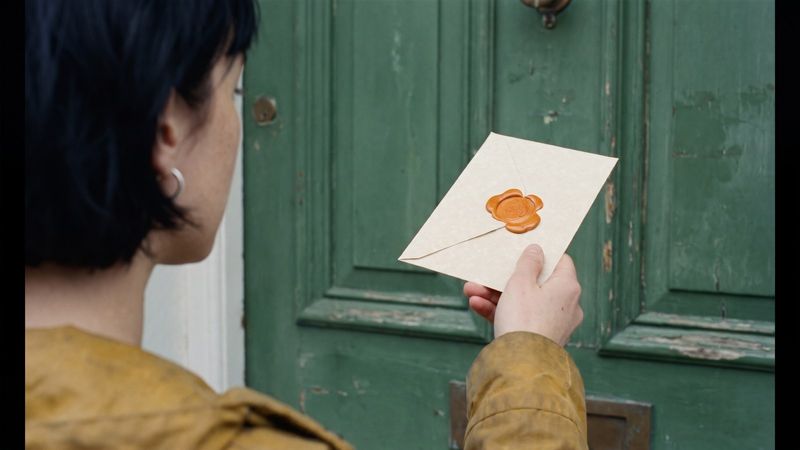
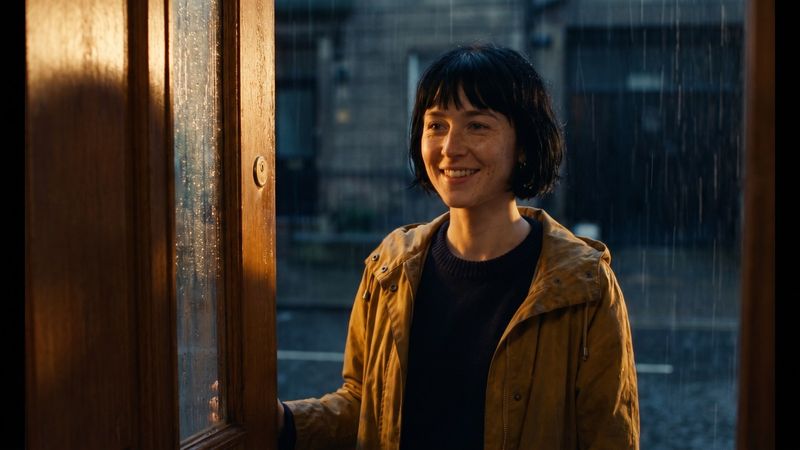
A narrative video falls apart if its lead looks different in every chorus. Domi casts each character once and holds that face, those clothes and that look across every shot and scene. The strip below follows one woman in a mustard raincoat through five storyboard keyframes.
Before casting, write a few lines for each character, including what they wear in each section and anything that changes on purpose, like a new coat at the bridge.
Pick a look for the video
Choose the style the way you would choose an arrangement, to fit the song. Describe it with the references the song already suggests, such as a decade, a film, a kind of light, or a texture like film grain or cut paper.
The eight clips below, all made in Video Studio, are a product commercial, a cinematic drama, animation drawn by hand, stop motion, a music video, a documentary, 3D animation and a 1960s fashion film.
Approve the shot plan, then film
Filming a shot is a generation, and every generation uses credits. That is why the plan comes first. A chorus that is wrong in the plan is a line you change, not a sequence you film twice, and you see a generation's estimated credit cost before it runs.
Before you approve, play the track and follow the plan section by section. If a shot sits where nothing changes in the music, ask whether it needs to be there.
With your band, your label or your client
Invite bandmates, a manager or the label into the project by email. Everyone in it can open and continue each other's sessions with Domi and leave notes drawn on a shot, which go to whoever made it. When the video is ready, deliver it with one link they can watch, download and comment on. The cut the label liked last week is still there.
Questions
Can AI make a music video?
DDream can make a music video for your song, planned section by section and filmed after you approve each shot. Domi, DDream's AI creative director, works out the idea with you, casts the characters once and films in Video Studio in the style you choose, from cinematic drama to stop motion or 3D animation.
How do I make an AI music video for my song?
To make an AI music video, start with a map of your song that gives its tempo, where each section starts, the lyrics and the feeling of each part. Bring that map to Domi on DDream. In Video Studio she plans shots for each section with you, and nothing is filmed until you approve it.
What's the difference between a performance and a narrative music video?
A performance music video shows the artist or band playing, and a narrative music video tells a story with characters across the song. You can mix them, with story in the verses and performance in the choruses, or build a concept video around one visual idea.
How long should each shot be in a music video?
Music video shots are easiest to plan in bars rather than seconds. In 4/4 time one bar lasts 240 ÷ BPM seconds, which is 2 seconds at 120 BPM. Verses usually hold longer shots, choruses cut faster, and cuts on the first beat of a bar feel intended.
Will the characters look the same throughout the video?
In a DDream music video, each character keeps the same face, clothes and look from the first shot to the last, because Domi casts them once and holds that cast. You see each shot before it is filmed, so one that drifts can be fixed on its own.
How much does an AI music video cost with DDream?
DDream is free to start, with free credits every month. No credit card needed. Asking Domi is free, and in Video Studio her replies and every generation use credits. Creator is $14.99 a month for 1,600 credits, and every plan is on Plans and prices.
Never made an ad or a film? Now you can.
What are we making?
Free to start, with free credits every month.