

Image Studio · furniture, bedding and home décor
AI furniture, bedding and home décor photos
A sofa or a duvet sells in a room, and AI furniture photography gives you that room from one photo of the piece. Domi, DDream's AI creative director, builds it in Image Studio and keeps your piece's fabric, wood and color.
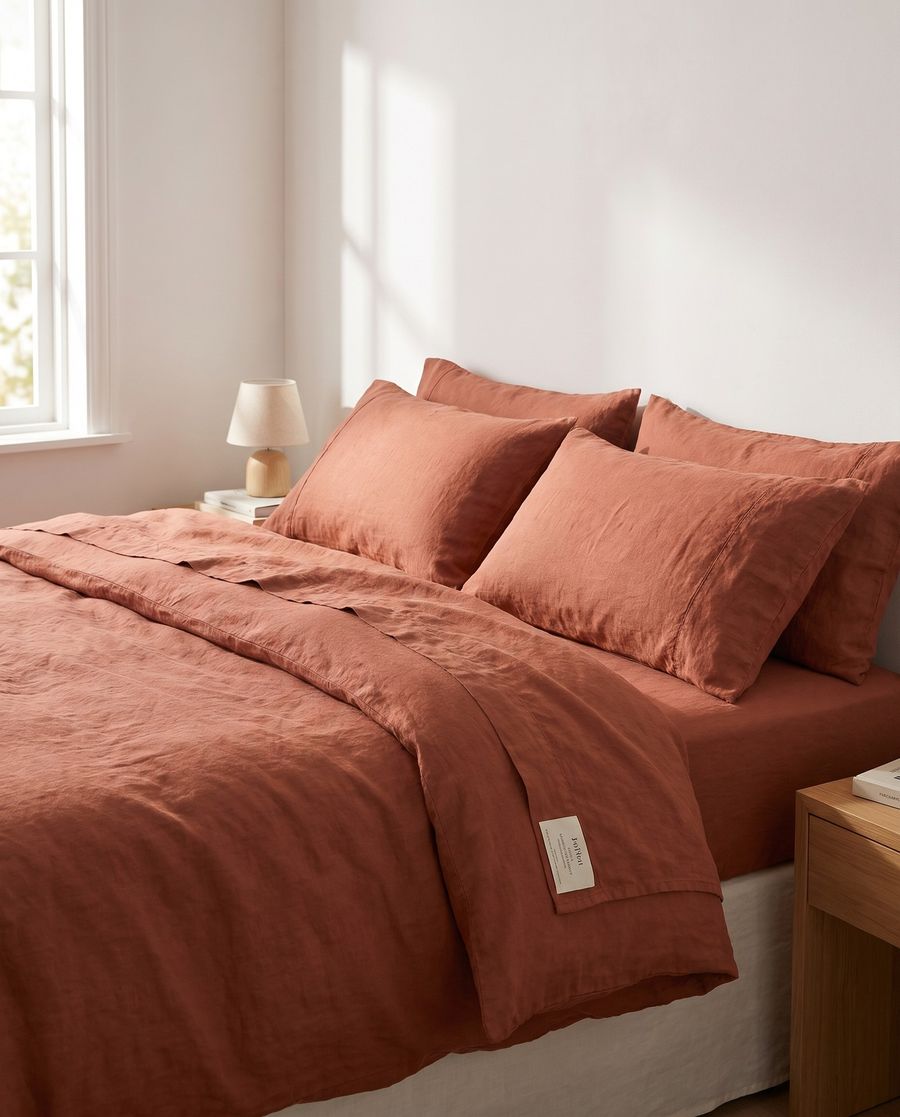
 Studio photoDomi's scene

 Studio photoDomi's scene
How it works
Send the piece and its size
Drop in a clear photo of the chair, bedding or lamp and give its width, depth and height. Then tell Domi which room you picture.
See it styled in the room
Domi builds the room around your piece in Image Studio, with the light and styling you described, and shows you options to choose from.
Change the rug, keep the chair
Circle the throw, the rug or the wall that's wrong and say what it should be. Domi changes that part and leaves your piece alone.
Why the room is the hard part
For home goods, the costly photo is rarely the product on white. It's the room. A sofa, a bed or a dining table needs a room styled around it, light that flatters the material, and a camera far enough back to show scale. Every colorway multiplies that work, and a new season starts it again.
Textiles and lamps bring their own trouble. A duvet has to drape, linen has to show its weave, and a lamp has to glow without washing out its shade. Image Studio starts from the piece you already photographed and builds the room around it, so one good photo can appear in several rooms and styles.
The photo set a furniture or bedding page needs
Buyers can't sit in a chair or touch a duvet cover before they order, so the photos have to do that work. A full set usually answers six questions:
| Photo | The buyer's question | How to make it |
|---|---|---|
| Product on white or a plain color | What is it, seen clearly? | A new background in Image Studio, pure white for Amazon |
| Room scene | Will it look right in my home? | The piece in a styled room, in Image Studio |
| Scale shot | How big is it? | The piece beside things everyone knows the size of, such as a door, a nightstand or a person sitting |
| Material detail | What does it feel like? | From your own sharp photo of the weave, grain or glaze |
| Colorways | Does it come in my color? | One photo for each color you sell. Recolor only for colors that exist. |
| Dimensions and features | Will it fit? What's included? | A layout with real, editable text in Design Lab, in every size from one file |
How to brief Domi for a room scene
A room brief is short, but it should answer what a stylist would ask on set:
- The room and style, like a Scandinavian living room, a coastal guest bedroom or a small city apartment.
- The light, such as morning sun from the left, overcast daylight or warm lamplight in the evening.
- The real size in width, depth and height, so the room around the piece is in scale.
- What sits around it, say a rug, a side table and a plant, or nothing if the piece should stand alone.
- What must not change, from the fabric and the leg finish to the stitching and the way a pattern runs.
- Where the photos go, from a store page or a marketplace listing to a catalog or a feed post.
Here is a brief for the armchair above: “Our oak and bouclé lounge armchair, 30 inches wide and 29 inches tall, in a bright Scandinavian living room with late afternoon light. A low oak side table and a wool rug, nothing else. Keep the bouclé texture and the oak legs as they are. Square for the store, 4:5 for Instagram.”
Tips for furniture, bedding, lamps and décor
Furniture. Ask for the view a person would have, seated eye level for chairs and sofas and standing height for tables and beds. Check that every leg touches the floor and casts a shadow that follows the window light. If a sofa will stand in the middle of a room, show its back too.
Bedding. Say how the bed should be made, tucked or loose, with the duvet folded back or flat, and how many pillows. Match the pillow count to what the set includes, since Amazon asks that the main image show the product's real quantity. Add a photo of the weave, taken close, for linen and percale. Daylight is the safe choice for a textile's true color.
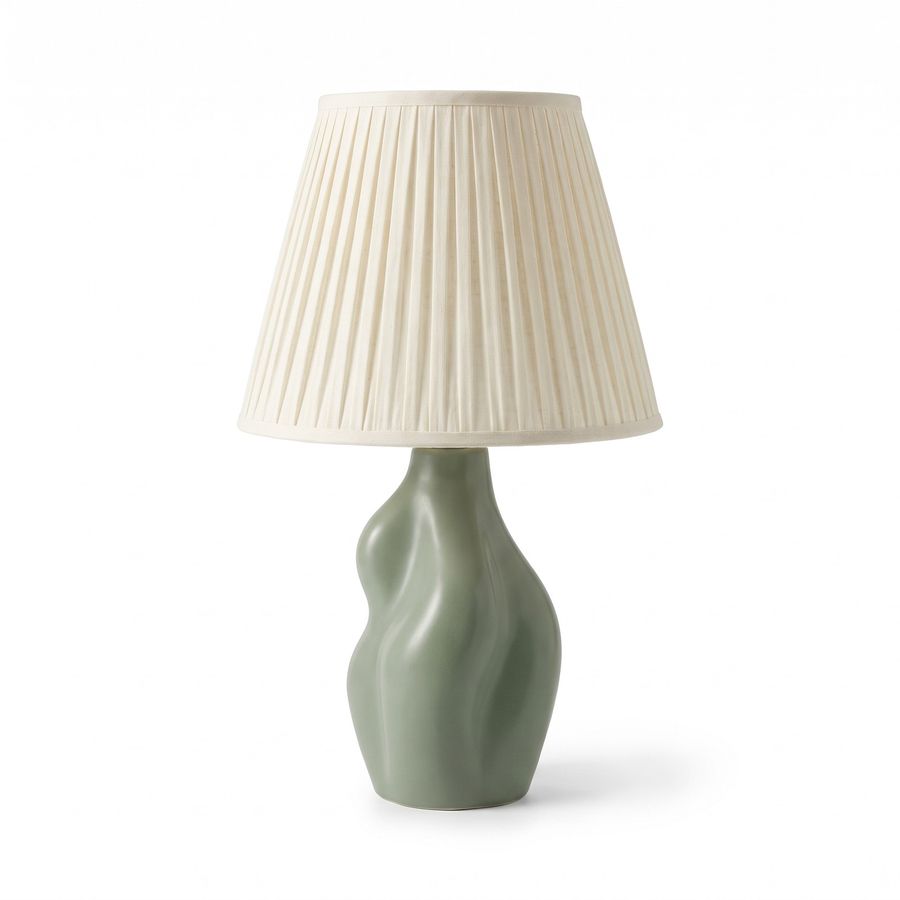
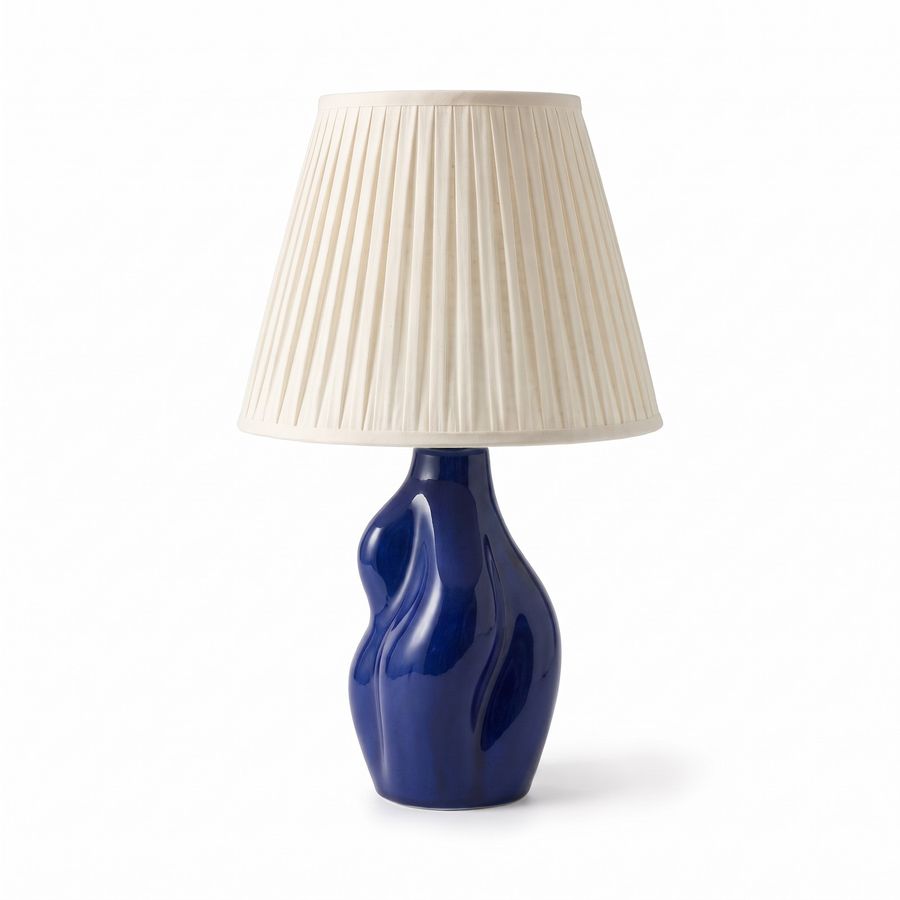
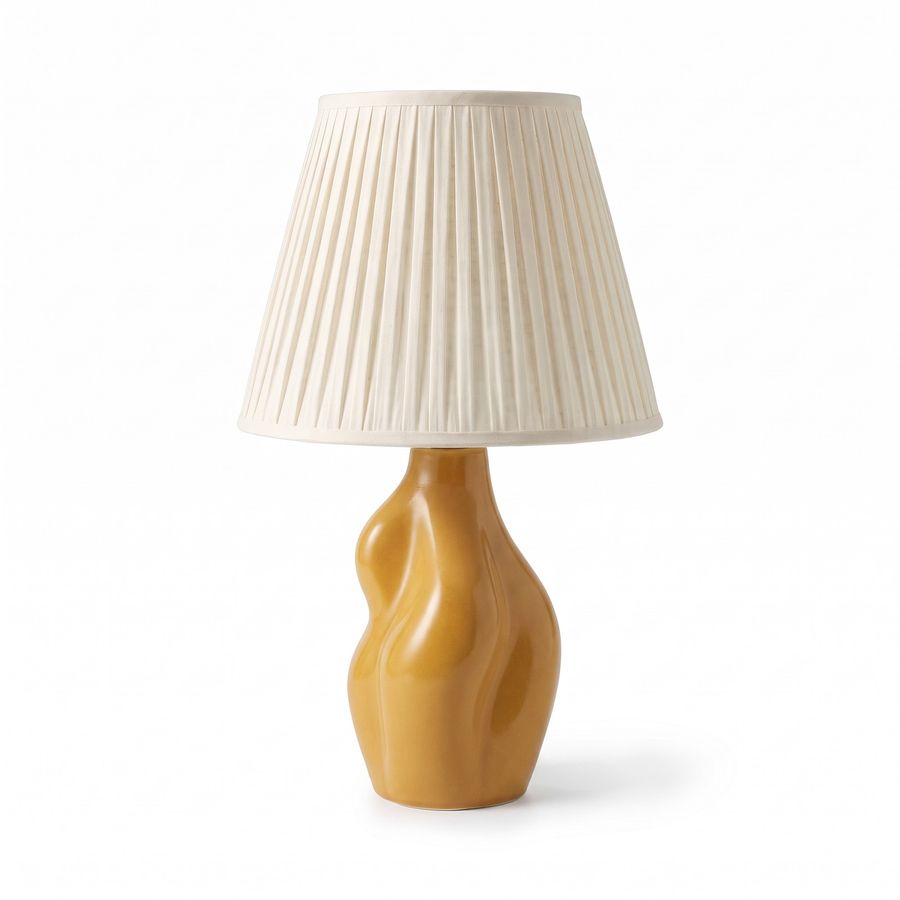
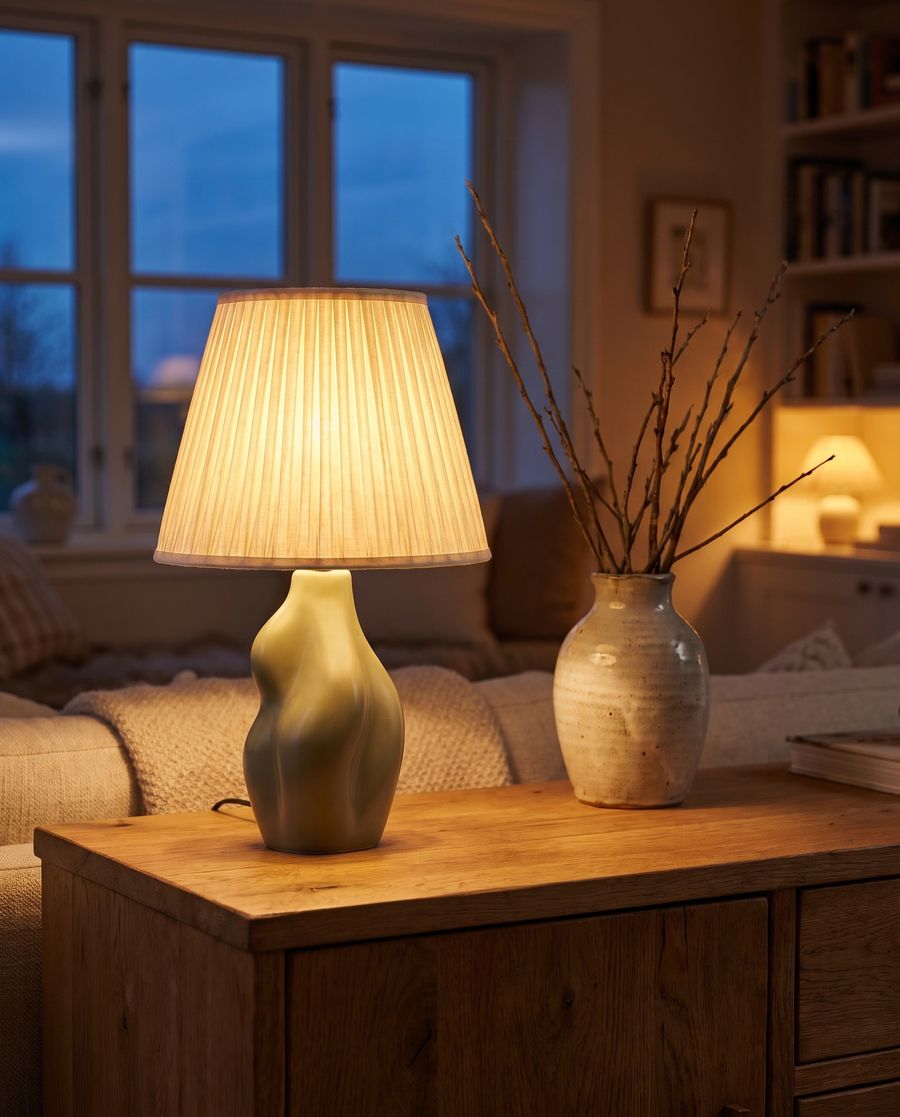
Lamps and lighting. Ask for two photos. The lamp off in daylight shows the real color of the base and shade, and the lamp on in the evening shows the glow. Check that the cord and switch are where they really are.
Décor and tableware. Small pieces need a scale cue, such as a hand, a book or a place setting. Glazes and glass reflect the room around them, so check that the reflections fit the scene.
Show only the colorways you sell
Recoloring a product photo shows every color you stock in the same room and the same light. It is also the easiest place to mislead a buyer by accident.
- Colorways you actually sell are the only ones to make, named the way your listing names them.
- The real color goes to Domi as a daylight photo of the swatch, or as the color name and code from your supplier's spec sheet.
- A real sample is what you compare each recolor with before it goes live. A chair that looks sage on screen and arrives olive can come back as a return.
- Real photos of a colorway, if you have them, make a better source than a recolor.
Both big marketplaces put this in writing. Amazon's image guide asks that the main image show the product's real scale, quantity and color, and Etsy asks that images accurately reflect an item's true appearance, including color, condition, scale and materials (both checked in November 2026).
Check every room photo before you publish
- Scale holds up next to doors, windows, nightstands and people.
- Legs and bases sit on the floor, with shadows that follow the light.
- Fabric matches the real piece in weave, piping, seams and buttons, and patterns run the right way.
- Wood and metal match your sample in grain, finish and hardware color.
- The count of pillows, cushions, drawers and shelves matches what ships.
- Props never look like part of the product unless they are.
If something is off, circle it and say in one sentence what it should be. What you move or fix by hand stays that way, and every version is kept, so you can go back to any of them.
Sizes for your store, listings and feeds
Tell Domi every place the photos will go. Image Studio makes them up to 4K, in any aspect ratio. A typical home set is square for the store and the marketplace, 4:5 for an Instagram post, and a wide banner for your homepage.
Each channel's published sizes, and its rules on photos edited with AI, are on AI product photos. Amazon's full image and A+ rules are on Amazon listing images.
Working with your team or a client
Home products pass through several hands. A buyer, a merchandiser, a stylist and often a client all have a say. In a shared project, everyone you invite by email works with Domi from the same brief and one library.
Notes are drawn on the photo itself and go to whoever made it. Your client sees the set through one link and can comment, and a team wallet gives each project its own budget. See DDream for teams.
What AI furniture photos cost
Asking Domi is free. In Image Studio, her replies and every generation use credits, and you see a generation's estimated credit cost before it runs.
Free to start, with free credits every month. For a larger catalog, Visionary is $149 a month for 18,000 credits, and paying yearly saves 20%. See plans and prices.
Questions
Can AI put my furniture in a room?
AI can put your furniture in a room by keeping the piece from your photo and making the room, light and styling around it. On DDream, drop in a clear photo, tell Domi the room you want and give her the real dimensions so the room is in scale. Check legs, shadows and fabric at full size before you publish.
What is AI furniture photography?
AI furniture photography shows a real piece of furniture in rooms made with AI, starting from a photo of the piece instead of a staged room. The piece stays as it is, and the room, light and styling are new. On DDream, Domi makes these scenes in Image Studio and nothing is final until you choose it.
Can AI make bedding photos from a product photo?
AI can make bedding photos from one clear photo of the set, and on DDream, Domi places it on a made bed in a bedroom while keeping its color, weave and pattern. Tell her how the bed should be made and how many pillows the set includes. Compare the color with a real sample in daylight before you publish.
Will the fabric and color of my furniture stay the same?
DDream's Image Studio is built to keep your piece as it is, including its fabric, wood and color, while the room around it changes. Texture and color are where small differences show, so compare each photo at full size with the real piece. If a seam or a shade is off, circle it and Domi fixes that part.
Can I try AI furniture photos for free?
DDream is free to start, with free credits every month. No credit card needed. When you need more, paid plans start at $14.99 a month for 1,600 credits.
Sources
Never made an ad or a film? Now you can.
What are we making?
Free to start, with free credits every month.